This article is for informational purposes only and does not constitute legal advice. Immigration law is complex and country-specific. Always consult a qualified immigration lawyer before making decisions.
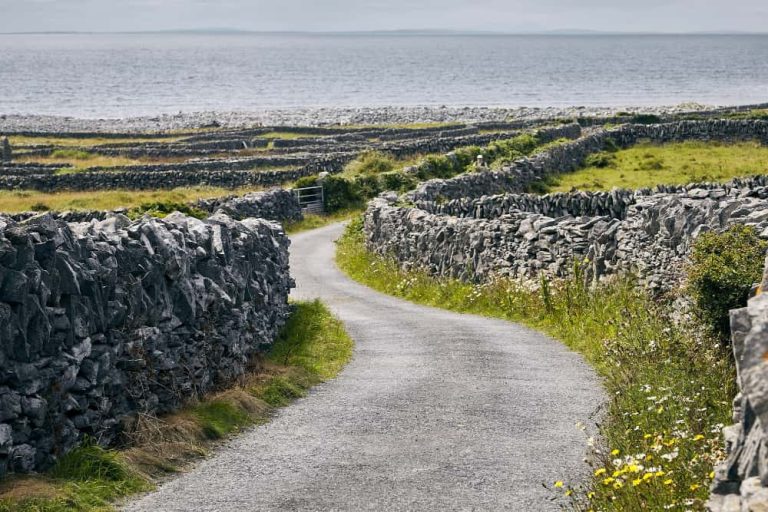
For a lot of people, Ireland has a very special place in the imagination. It’s a place of mist and castles. It’s the classic setting for a feel-good rom-com. The kind where some burned-out American stumbles off a plane into a small coastal village, meets a charming local with an unreasonable jawline, and discovers that life can actually move at a human pace. There’s mystique and calm. There’s a pub where everyone knows everyone and the Guinness comes in pints. It feels idyllic and cozy. And yes, there may be nights my wife and I watch that rom-com because we just want to smile and feel good.
Ireland genuinely has these qualities. The landscape is breathtaking. The pace is refreshingly slow. If you’ve spent any time there, you know it’s not just marketing.
But there’s another side of Ireland that doesn’t make it into the movies. And it’s one that’s worth paying attention to for completely different reasons. Practical reasons. Legal reasons. Reasons that could actually change what your future looks like.
That’s what this article is about.
Today we’re doing a full, honest look at Irish citizenship pathways; by descent and every other realistic option — what it actually means, what it actually gives you, and whether this path is open for you. Because Irish citizenship is more accessible than most people assume.
If dual citizenship as a concept is new to you, our guide to how it actually works for ordinary people covers the fundamentals this whole series builds on. Check it out here.
What Ireland Actually Is
Here’s something most people don’t know about Ireland:
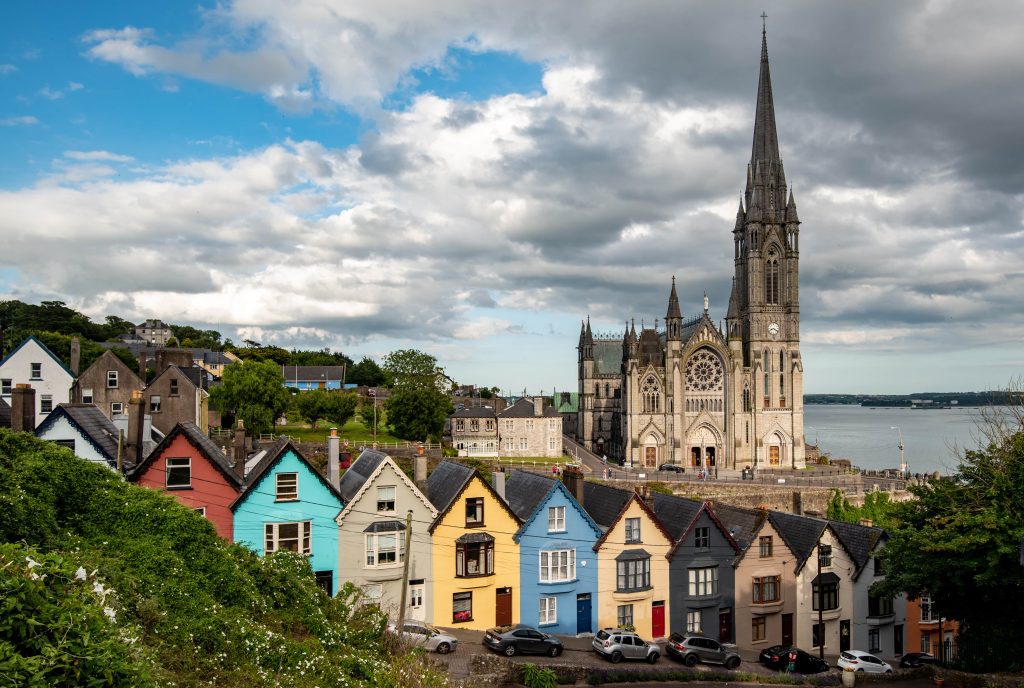
Ireland has been militarily neutral for over a century. Not a NATO member. Doesn’t send troops into other people’s wars on behalf of alliances. It shows up for UN peacekeeping, it engages extensively via diplomacy, but when the world starts picking sides and rearming, Ireland stays out of it. That’s been its policy for generations and it runs deep in the national identity.
This is something I think about a lot when considering where to hold legal standing in the world. A country that isn’t in the business of making enemies is probably a secure place to have roots. Think about it — people don’t really hate on the Irish.
The institutions are pretty solid too. Press freedom, judicial independence, government accountability — Ireland ranks very highly on all of it, consistently. And I know those things can sound abstract. But what they actually mean is that the rules apply to everyone. Coming from America today, that feels really refreshing. Maybe a bit bizarre to our conflict-acclimated psyche but in a really good way.
Ireland ranks 5th in the world on the Global Peace Index1. Roughly 75% of people in Ireland say they feel safe walking alone at night — including in a major city like Dublin2. In the US cities I’ve personally spent the most time in, fewer than 30% said the same. That gap is hard to ignore.
Sure, most of us don’t have a burning need to go for a walk in the middle of the night. But that’s just one dimension of safety. Here’s something else that almost never comes up in this kind of content. But it should.
In 2025, US schools recorded 233 weapon-related incidents3. More than one per school day. And by recent American standards, that’s a relatively low number. We’re only partway through 2026 and at the time of this writing, the count is already at 338. These are headlines most people have learned to scroll past. It’s become part of everyday reality. Which is sickening.
Irish kids don’t do active shooter drills. Ireland has never had a school shooting. Ever.
I’ll leave that there.
Ok, we get it, Ireland is safe. A lot of people equate safe with boring — but that’s not true of Ireland. The culture is amazing and often lives up to the hype. Daily life has a texture to it that’s harder to find than it used to be. Most towns are still walkable. There’s still a butcher, a proper café, a pub that functions as an actual civic space. Not the shamrock-painted airport version, but the real thing, where the same people show up and strong opinions get aired and somehow everyone’s still on speaking terms afterward.
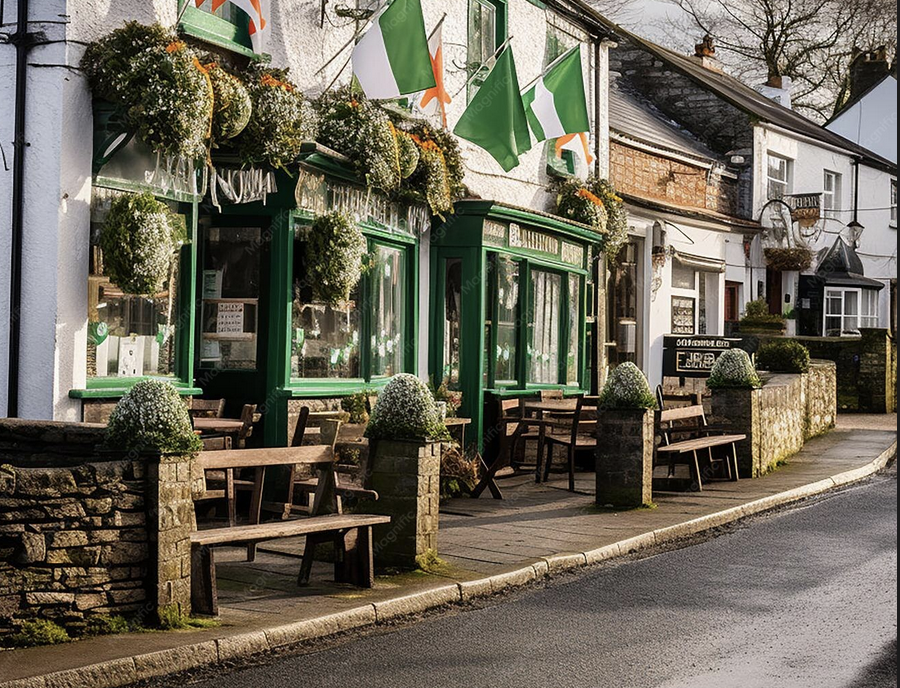
Ireland is proud of its language and culture. Drive through Connemara and the road signs put the Irish name first — English underneath, smaller. Kids learn Gaeilge from day one. Probably worth mentioning here that Gaelic isn’t the Irish language — it’s the language of Scotland. Gaeilge, or Irish, is the national language of Ireland. Don’t mix them up.
Ireland went through colonization, famine, centuries of displacement yet held onto its language through all of it. You don’t need to speak Irish to live there or hold Irish citizenship. But there’s something grounding about a culture that fought that hard to remember where it came from. And — speaking from personal opinion — anyone seeking citizenship in a country should make the effort to learn its language.
Literacy in Ireland is around 99%. For reference, roughly one in five American adults is functionally illiterate and more than half of the US population reads below a 6th-grade level4. Those are real statistics. I had no idea it was that bad before writing this article.
Education in Ireland is world-leading, and there are a lot of school types to choose from. Irish universities are genuinely excellent — at a fraction of what a US degree costs. If you have kids and you’re thinking long term, tuition is worth factoring in.
What Ireland Isn’t
We’ve puffed up Ireland enough that it’s time for the other side of the conversation. Why shouldn’t you just dive in and seek an Irish citizenship?
First, the cost of living. Housing is quite expensive across the country and especially so in Dublin. The rental market is really tough right now — people are jumping on listings within minutes just to secure a place to live. This is compounded by the devaluation of the US dollar, which reduces your buying power against the Euro.
The health system works and is free to residents and citizens — but it’s under pressure, and you’ll likely want to secure private insurance to fill the gaps. That said, private insurance is a fraction of the cost compared to the United States.
Outside cities, transportation infrastructure is definitely lacking. It’s improving, but don’t expect continental levels of public transit connectivity. And the weather — yeah. It’s exactly what you’ve heard about. Rainy and cool for much of the year.
Despite these drawbacks, when you’re thinking about optionality — about having somewhere else to go, somewhere to belong if you need it — the full picture is what matters. And Ireland’s full picture sets the bar high. Institutions that function. Rule of law. Incredibly low violent crime. Neutrality in a world of conflict. The problems that exist are those of a stable democracy. Not those of a country coming apart at the seams.
What Irish Passport Benefits Really Exist
Most people’s understanding stops at “oh, you can travel more easily” — but that’s underselling it pretty significantly.
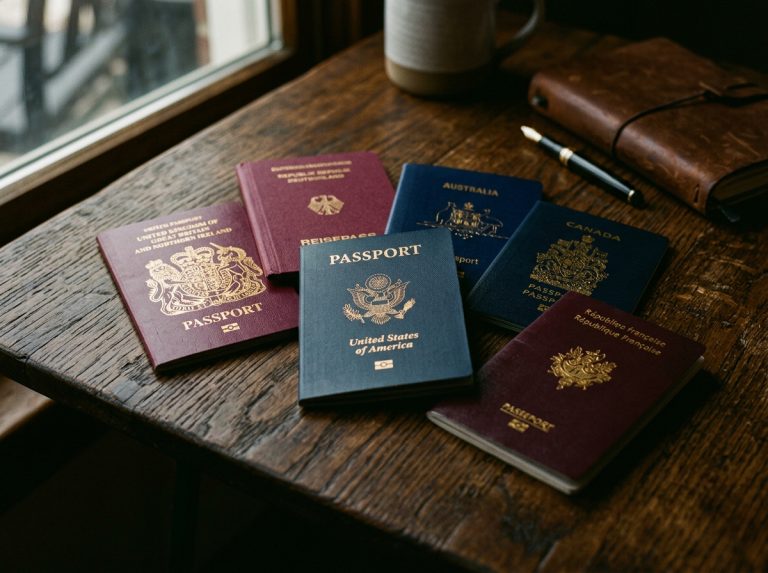
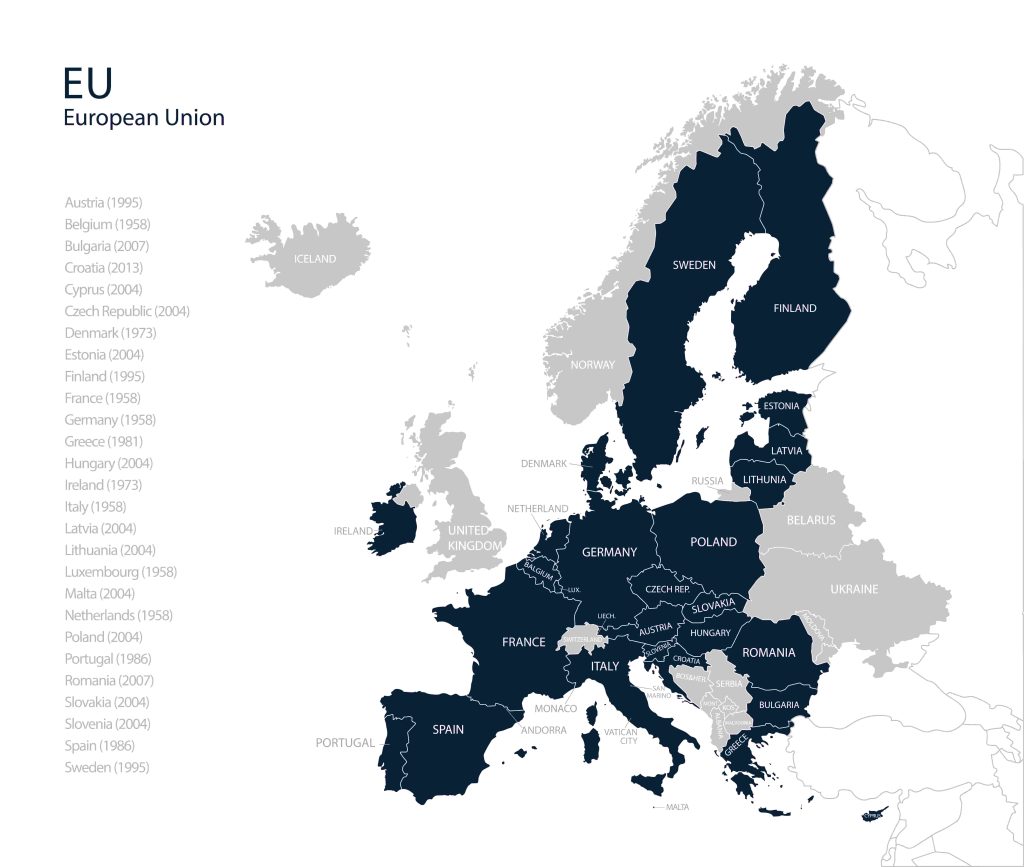
Start with the European Union. Ireland is an EU member state, so its citizens have the right to live, work, start a business, and access healthcare in any of 27 countries. Everyone’s probably heard that before, so let’s make it concrete rather than just reciting the number.
You can take a job offer in the Netherlands tomorrow. No visa application, no employer sponsorship, no immigration lawyer on retainer. You can retire in Portugal, enroll your kids in school in Italy, open a business in Germany — none of those decisions require anyone’s permission. The bureaucratic hurdles that would normally sit between you and a major life choice just aren’t there. That’s what free movement actually feels like when you’re living it. It’s not a travel perk. It’s the removal of friction from some of the biggest decisions a person makes.
The Piece Most People Have Never Heard Of
Here’s something most people outside the UK and Ireland have never come across. It’s one of the more underappreciated things about Irish citizenship specifically.
The Common Travel Area. The CTA.
This is an arrangement between Ireland and the UK that predates the European Union by decades — and somehow, it survived Brexit intact. In practice, the CTA grants citizens of each country reciprocal rights to live and work in the other. As an Irish citizen, that means NHS access, limited voting rights in the UK, no points-based immigration system, no visa, no sponsor. You just go.
No other EU passport gives you that. Not one. Irish citizenship is the only EU citizenship that also carries full access to the United Kingdom.
So when people talk about the Irish passport being one of the most powerful in the world — this is a big part of why. It’s not “just” unlimited access to 27 countries. It’s actually 28. And that extra one happens to be the fifth-largest economy in the world.
What it actually feels like
Most people who hold dual citizenship don’t think about their second passport every day. It sits in a drawer somewhere. Nothing really changes about your daily life.
What it does do is change something subtle about how you move through the world. There’s a background sense — it’s hard to articulate but very real once you have it — that you’re not cornered. That options exist. That if something changes, you have somewhere to go and you don’t have to ask permission to get there.
Think of it like insurance you actually want to use someday. Except unlike most insurance, this one comes with real tangible benefits whether you ever need the safety net or not.
A Quick Word on Taxes
Many people’s instinct is that citizenship comes with tax obligation. Makes sense — if you’re an American, that’s just “how it works.” The US taxes you based on citizenship regardless of where you actually live. It doesn’t matter if you’ve been in Berlin for fifteen years. You’re still filing with the IRS.
Irish citizenship doesn’t work that way. Actually, neither does the rest of the world. The US is one of only two countries that taxes based on citizenship regardless of where you live. The other is Eritrea. Not exactly the company you’d expect Uncle Sam to be keeping.
Holding an Irish passport while living outside Ireland creates no Irish tax liability whatsoever.
For people who do move to Ireland and become tax residents, there’s a regime worth knowing about — especially if you earn income from outside Ireland. It’s called the non-dom tax regime, and it can save you thousands if you know about it in advance5. That’s its own full conversation and gets its own dedicated article. For today, just know it exists.
Irish Citizenship Pathways: Descent, Naturalization, and STEP
There are three realistic paths to Irish citizenship.
Irish citizenship by descent is the path most people with Irish roots will want to look at first. If you have a parent or grandparent who was born in Ireland, there’s a real possibility you already have a legal claim to Irish citizenship sitting in your family tree. The mechanism is called the Foreign Births Registry — and I want to frame this accurately. If you take this path, it’s not an application for something discretionary. It’s a registration of something you’re legally entitled to. The citizenship rights already exist. You’re just documenting them.
No relocation required. No investment funds. The main inputs are paperwork, patience, and €278.
Tens of millions of people around the world have this claim and have never looked into it. If you think this might apply to your family, the next article in this series is a complete FBR guide. It covers exactly who qualifies, what eligibility scenarios look like, what documents you need, and how the whole process works.
Naturalization is for people who actually want to live in Ireland and are willing to put in the years to gain Irish citizenship. Whatever visa route you use, the core requirement is five years of reckonable residence out of the past nine — legal, registered time in Ireland where Ireland was your center of life. And this must include one continuous year immediately before you apply. If you are the spouse of an Irish citizen, this is your path too, just with a shorter three-year timeline.
It’s a longer road. But it’s a well-defined one without many surprises. You know exactly what you’re signing up for.
The Start-up Entrepreneur Programme, or STEP, is really an offshoot of the naturalization path — just a specific route to a residence visa designed for a specific kind of person. STEP is for founders who want to build genuinely innovative, internationally scalable businesses in Ireland. The bar is relatively high: minimum €50,000 in funding, a credible business plan, an expectation of job creation in Ireland. A committee reviews applications quarterly.
Probably not something that applies to most people reading this. But I’d bet there are a handful of you whose ears just perked up. And for you, it’s a legitimate and genuinely interesting on-ramp to residency and eventual Irish citizenship.
Why Any of This Actually Matters
Here’s the part worth sitting with.
When your entire legal existence is tied to one country — one government, one set of policies, one cultural trajectory — you’re exposed in a way most people don’t think about until something goes wrong. Civil unrest. Tax policy changes. New laws that affect your community. The cost of living becomes untenable. The culture starts to feel increasingly foreign to your values. Most people’s options at that point are essentially: stay, tighten your belt, keep your head down. Or scramble last minute to find anything that offers stability.
Gaining a second citizenship doesn’t mean you leave your current home. Most people who pursue this never relocate permanently. What it means is that you’re no longer cornered. You have a legal home elsewhere. When you know a door is open — even if you never walk through it — the pressure changes.
And there’s a dimension to this that hit me hard at a personal level. I have two kids. At some point along this journey I started thinking about it not just for myself but for them. In most cases, when a parent obtains citizenship their minor children receive it automatically. You do the work once. They carry it for life.
Think about what that actually means. University in Europe at a fraction of what it costs in the US — or it’s free entirely. The ability to start a career, build a business, or raise a family somewhere that fits them better than where they happened to be born. They grow up with options that most of their peers will simply never have.
You may not be able to fix the system they’re growing up in. But you can make sure they’re not trapped by it.
Where to Start
Take stock of your family history. Seriously. If you haven’t spent time looking into where your grandparents or great-grandparents came from, that’s step one. A few hours on Ancestry.com or a conversation with an older relative can open doors you didn’t know existed. It costs nothing and the upside is potentially significant.
Then think about which pathway makes the most sense for your life. Could you realistically relocate for a few years? Do you have a spouse with Irish citizenship … or another EU citizenship? Do you have ancestral roots in Ireland going back a generation or two?
The answers to those questions point you toward your door. The rest of this Ireland series is here to walk you through every aspect of Irish citizenship step by step.

The Bottom Line
Ireland isn’t paradise. The weather will settle that question within about forty-eight hours. The housing market in Dublin is painful.
Ireland isn’t flashy like Dubai, or catering to the ultra-wealthy like Malta, or tropical like Costa Rica. What it is, is a country that has gotten some genuinely important things right — and done so at a moment in history when stability is rare. Institutions that still function. Rule of law that applies to everyone. A culture that still has pace and texture. A passport that opens the door to 28 countries. It’s not perfect, but Irish Citizenship offers a unique combination of attributes that make it very hard to ignore.
For a meaningful number of people reading this, you have a pathway here. An ancestor’s Irish birth sitting in your family tree, just waiting for you to go look. The cost might be a few hours and an internet connection. The upside is one of the most powerful passports in the world.
That’s what this is about. Not escape. Not some dramatic reinvention of your life. Stability. The ability to make choices from a position of thoughtful intention.
Irish citizenship is one of the best examples of optionality available to ordinary people. The mist and the castles are real — and it turns out, that’s not all Ireland has to offer.
- https://www.visionofhumanity.org/why-iceland-stretched-its-lead-among-the-worlds-10-most-peaceful-countries-in-2026/ ↩︎
- https://www.cso.ie/en/releasesandpublications/ep/p-cv/crimeandvictimisation2019/perceptionofcrime/ ↩︎
- https://k12ssdb.org/ ↩︎
- https://www.thenationalliteracyinstitute.com/2024-2025-literacy-statistics ↩︎
- https://www.revenue.ie/en/personal-tax-credits-reliefs-and-exemptions/domicile-status/index.aspx ↩︎